

Inside our race team's off-season: what actually changes for spring



Every October, our race team disappears from the results pages
Key facts
- Every prototype completes a minimum of 1,500km before feedback is submitted
- Aero changes are re-verified in the wind tunnel, not just felt on the road
- At least two riders with different body types and riding styles test each frame
This is the direct pipeline between race-day feedback and the production bikes on our shop floor nothing ships until it's been through this loop.
By the time the first race number goes on in March, a rider on our team has already spent five months rebuilding fitness
Position work: the part riders skip on their own
Around week eight, every rider on the team goes through a full re-fit — even veterans who haven't changed a single measurement in years. Bodies change through a season of racing, and small shifts in flexibility or strength can quietly cost watts if the position isn't rechecked.
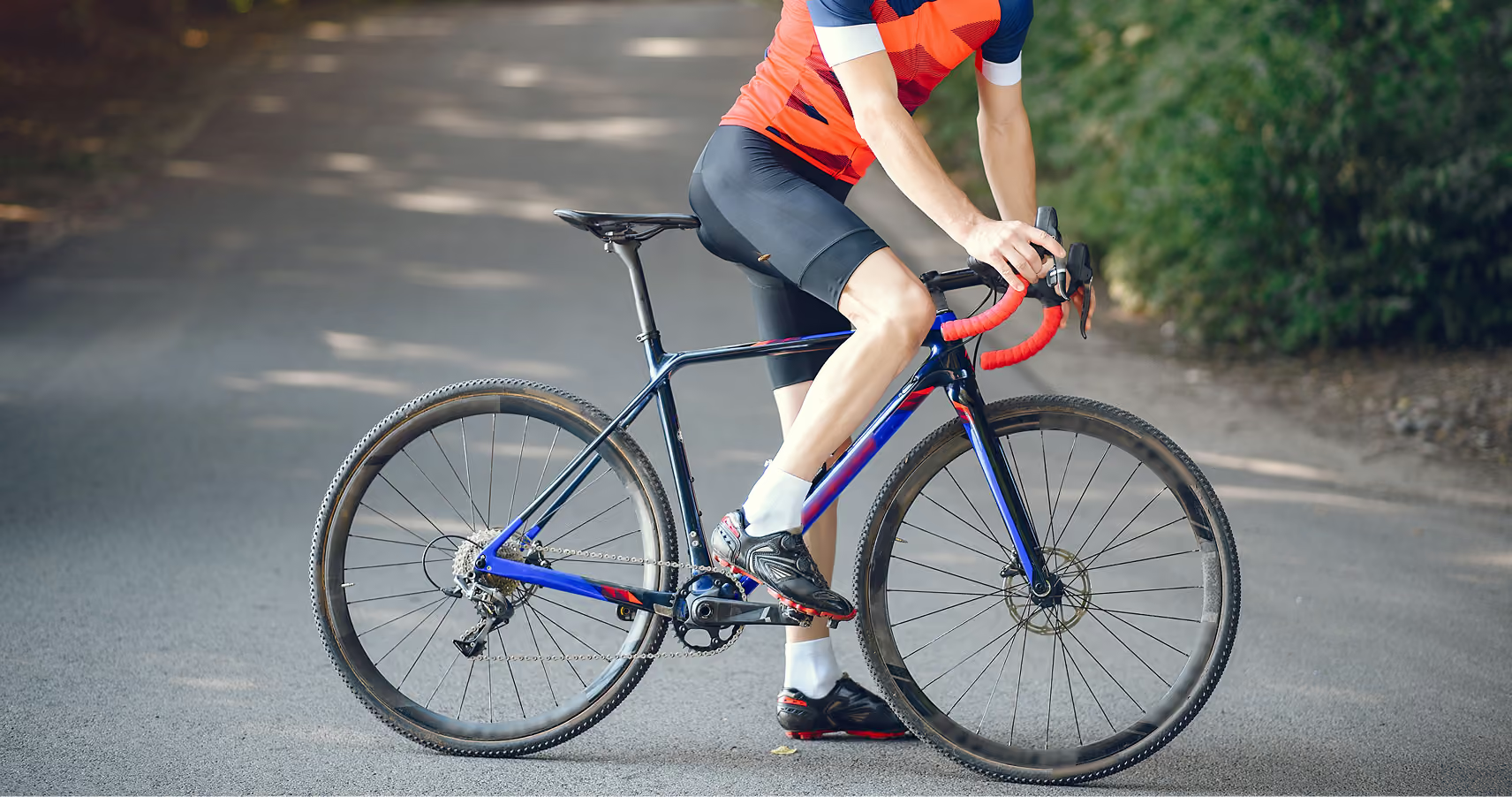

Testing next season's frame before it's announced
By December, prototype frames start showing up in the team van — usually undecorated, sometimes taped over to hide tube shapes from competitors. Riders log everything: how the bike handles in a crosswind, how it feels on a rough descent, whether the new geometry changes their sprint position.